


Hi, I’m Bruce Millar. With over 20 years of coaching experience, I help people stay fit, strong, and ready for the moments that matter most.
The personal trainer cost in Scotland can vary massively — from £20 to over £100 an hour — and trying to figure out what you’re really paying for can feel a bit like buying a used car.
One trainer promises rapid fat loss. Another throws in a flashy app and weekly messages. Some give you little more than a clipboard and a countdown clock.
So, how do you know what you’re actually paying for?
And more importantly — what should you expect in return?
As someone who’s coached hundreds of busy professionals and parents across Scotland, I’ve seen the full spectrum — from £15 bootcamps in the park to high-ticket trainers who deliver little more than a sweaty circuit and a protein bar suggestion.
This guide breaks it all down so you can make sense of it:
- What personal trainers in Scotland really charge
- What actually affects the cost (and what doesn’t)
- What a solid coaching package should include
- And how to choose the best fit for your goals and your budget
Whether you want someone by your side in the gym or a coach in your corner online, this will help you invest in your health — with confidence, not confusion.
The right personal trainer doesn’t just cost more — they help you waste less time, avoid dead ends, and finally see results that stick.
– Bruce Millar
Table of Contents
What’s the Average Cost of a Personal Trainer in Scotland?

Let’s cut to it — most personal trainers in Scotland charge somewhere between £30 and £60 per session.
If you’re working with someone more experienced — or you’re based in a city like Edinburgh or Glasgow — that figure can easily jump to £100 or more an hour. On the other end of the spectrum, newer trainers or group PT sessions might come in closer to £25–£35.
If you’re going down the online coaching route, you’re usually looking at £100 to £300 a month.
That typically includes your personalised plan, weekly check-ins, and support between sessions.
Some of the higher-end coaches will offer video feedback, habit tracking apps, and even nutrition planning — which all factor into the price.
Then there’s another option — online coaching with a personal touch.
This is what I offer most often: tailored programming, check-ins, and real support — just delivered remotely.
The real takeaway?
It’s not just about what you pay — it’s about what you get.
I’ve had plenty of clients come to me after trying the “cheap and cheerful” option… and ending up back at square one.
Paying a bit more for a coach who actually knows what they’re doing?
That can save you months — if not years — of wasted effort and guesswork.
What Affects the Cost of Personal Training?
Personal training isn’t a one-size-fits-all service — and the pricing reflects that. What you’ll pay depends on a few key factors, including:
1. Experience and qualifications
Let’s be honest — a trainer who’s just finished a weekend course isn’t going to charge the same as someone with years of experience, advanced certifications, and a proven track record of results.
And rightly so.
If a coach specialises in working with a specific group — like busy parents, women over 40, or injury rehab clients — you’re also paying for that expertise.
2. Format of the sessions
One-to-one coaching tends to be the most expensive (and the most tailored).
Small group or semi-private sessions are often more affordable, but you’ll get less individual attention.
Online coaching usually comes in cheaper — but with the right coach, it can still be incredibly effective. It all depends on the structure and support included.
3. What’s offered outside the sessions
This is where the good coaches separate themselves. Are you getting weekly check-ins?
Nutrition advice? Progress tracking? WhatsApp access?
App-based workouts and support between sessions?
If you’re only paying for 60 minutes of sweat, you’ll pay less. But if you’re paying for a full coaching experience that continues after you leave the gym — that’s going to cost more. And it should.
4. Location
Prices in Edinburgh, Glasgow, and other major cities tend to be higher. Studio rent, cost of living, and demand all play a part.
In smaller towns or rural areas, rates are often more flexible — though you may also have fewer options.
It’s worth stepping back to compare the main types of coaching side-by-side.
The price tag doesn’t always tell the full story — what matters is what’s included, and how well it fits your needs. Here’s a simple breakdown to help you see the differences more clearly:
| Type of Coaching | Typical Cost | What’s Included | Best For |
| Budget Gym PT | £25–£35 per session | Generic workouts, little personalisation, no follow-up | Beginners with limited budgets |
| Experienced In-Person PT | £40–£70 per session | Tailored training, technique coaching, progress tracking | People wanting 1:1 guidance |
| Online Training Plans | £100–£200 per month | Pre-written programmes, minimal or no coaching | DIY clients comfortable without guidance |
| My Online Training Programme | £150–£400 per month | Personalised plans, small group support, progress tracking, direct contact | Busy professionals who want real structure, support & flexibility |
As you can see, two coaches might charge similar rates — but the support, structure, and long-term value can be worlds apart.
It’s not just about the cost per session — it’s about whether you’re getting the kind of coaching that actually helps you make progress.
If you’re looking for a flexible mix of in-person and online training, my online personal coaching programme is designed to give you structure, support, and lasting results.
A quick comparison
My online coaching combines personalised training plans, regular check-ins, and clear support — all designed to keep you progressing, even if we’re not in the same room.
Compare that to the typical gym PT who runs you through the same circuit each week, counts your reps, and says “see you next time.”
Two coaches. Same hourly rate. Wildly different value.
Key Takeaway
Always ask what’s included, not just what it costs.
Because two trainers charging £50 could be delivering completely different experiences — and only one of them gets you where you actually want to go.
What Should Be Included in a Great PT Package?

A quality personal trainer does more than turn up with a stopwatch and a clipboard.
You’re not just paying for a few sweaty sessions — you’re investing in a plan that fits your life, keeps you accountable, and actually gets results.
Here’s what I believe every solid PT package should include:
Individualised training plans
Your training should be built around you. Your goals. Your lifestyle. Your current ability.
Not a cookie-cutter plan printed off the internet.
Whether you’re aiming for fat loss, strength, mobility, or just to feel more like yourself again — your programme needs to reflect that.
Lifestyle and nutrition support
No, you don’t need to track every calorie or follow some ‘clean eating’ nonsense.
But you do need guidance. A coach who can help you build better eating habits, improve your sleep, manage stress, and support your life outside of the gym — because that’s where results are won or lost.
Weekly check-ins and progress tracking
One of the biggest reasons people fall off track?
No one’s checking in.
A good coach keeps tabs on your progress, talks you through what’s working (and what’s not), and adjusts your plan as you go. That kind of support makes consistency 10x easier.
Digital tools and flexibility
Most of my clients use an app where they can see their workouts, track progress, and message me if they need support.
You don’t have to be glued to spreadsheets or carry a notebook — modern coaching should meet you where you are and keep things simple.
Education and motivation
You’re not just here to be told what to do — you want to understand why it works.
A proper coach will teach you as you go — how to lift well, how to eat better, how to stay on track — so you leave every phase of training more confident and capable than before.
“You’re not just buying sessions. You’re getting a system, a coach, and someone in your corner.”
— Bruce Millar
Key Takeaway
You deserve a training programme that fits your life — not one that adds more stress.
If your coach isn’t helping you simplify things, they’re not coaching. They’re babysitting.
Struggling to stay consistent with your training?
Grab Bruce’s Free 7-Day Training Plan — a simple, science-backed guide to help you feel stronger, move better, and train smarter.

Is It Worth Paying More for an Experienced Personal Trainer?
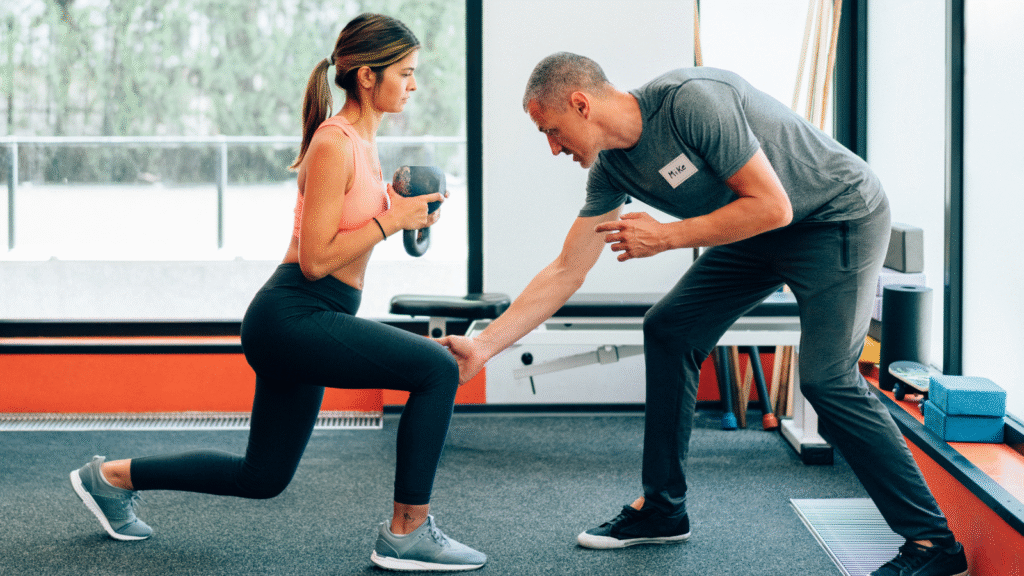
The short answer? Yes.
And here’s why.
An experienced coach doesn’t just run better sessions — they deliver better outcomes. They know when to push, when to hold back, and how to get results without breaking you.
Here’s what that looks like:
Faster, safer progress
You’re not wasting time guessing what to do — or worse, doing it wrong.
Experienced coaches build smart plans that challenge you safely, reduce injury risk, and stop you from burning out three weeks in.
They also help you stay aligned with evidence-based health recommendations like the NHS physical activity guidelines, which recommend at least 150 minutes of moderate activity per week.
Clarity from the start
You’re not left wondering, “Is this working?”
A good coach will spot the gaps, adjust on the fly, and give you a clear roadmap from day one. No fluff. No spin. Just straight-up guidance.
Results that actually last
Quick fixes are easy. Sustainable change? That’s the hard bit.
A proper coach doesn’t just help you hit your goal — they teach you how to maintain it long after the novelty wears off.
Client example
One client came to me after two years of bouncing between class passes, random YouTube workouts, and a PT who never once asked about their goals.
They were frustrated, stuck, and convinced they just “weren’t the type” to get results.
Within 12 weeks, they were training consistently, eating without guilt, and finally seeing progress.
No diets. No tracking apps. No overthinking.
Just a clear plan that fit their life — and coaching that made it stick.
Key Takeaway
Paying a bit more for the right coach up front?
That’s not expensive.
Spending years trying to figure it out on your own — or trusting the wrong person with your progress — that’s expensive.
Conclusion
When it comes to personal training, the real question isn’t “How cheap can I go?” — it’s “Where will I actually get the support that works?”
You can spend £30 a session with someone who churns through clients and gives you the same workout they gave the person before you.
Or you can invest in a coach who listens, understands your goals, and gives you the structure and accountability to actually get there — without the nonsense.
Whether your budget’s tight or more flexible, one thing doesn’t change:
The right coach will always deliver more value than the wrong one — even if the wrong one’s half the price.
So don’t think of personal training as a cost.
Think of it as an investment — in your energy, your confidence, your long-term health, and your ability to show up for the people and things that matter most.
It’s one of the few investments where the return isn’t just visible — it’s life-changing.
Key Takeaways
- Most personal trainers in Scotland charge £30–£60 per session, or £100–£300 per month for online coaching that includes proper support and accountability.
- You’re not just paying for time. Price is influenced by experience, session format, location, and how much support is built into the coaching.
- A great coach gives you more than workouts. They bring structure, guidance, and a clear plan to get you from where you are to where you want to be.
- Cheaper isn’t always better. Saving money upfront often leads to slower results, more frustration, and starting over… again.
- Don’t just hire a PT. Work with someone who actually listens, adapts, and cares — someone who’s committed to helping you succeed, not just putting you through the motions.
Ready to train with a coach who gives you structure, support, and a plan that actually fits your life?
I work with busy professionals across Scotland who want to get stronger, feel better, and stay consistent — without fad diets, extreme plans, or pressure to be perfect.
Whether you’re training at home or in a gym, my online coaching helps you stay focused, consistent, and supported — wherever you are.
or
FAQ: How Much Does a Personal Trainer Cost in Scotland
How much is a personal trainer in Scotland?
Most personal trainers in Scotland charge between £30 and £60 per session, depending on experience and location. In cities like Edinburgh or Glasgow, that can go up to £80–£100+ for more experienced or specialist coaches.
How much is a PT session in Glasgow?
In Glasgow, you’ll usually pay around £35 to £70 per session. Higher-end trainers working out of private studios or offering more support tend to charge more.
How much for a personal trainer in the UK?
Across the UK, personal trainer rates range from £25 to £100+ per hour, depending on qualifications, services offered, and location. Scotland tends to sit within that average, with rural areas often slightly cheaper.
Is 3 PT sessions a week enough?
For most people — yes. If your sessions are well-structured and you’re doing the work outside the gym (like eating well, recovering properly, and staying active), three a week is more than enough.
Is it worth it to hire a personal trainer?
Definitely — especially if you want structure, accountability, and a plan that’s actually built for you. A good coach saves you time, keeps you consistent, and helps you avoid the classic “start again on Monday” cycle.
Why do personal trainers charge so much?
Because you’re not just paying for the hour. You’re investing in programme design, coaching experience, ongoing support, and — most importantly — results. A good coach isn’t cheap, but they’re worth it.
Is online coaching cheaper than in-person PT?
In most cases, yes. Online coaching typically costs £100–£300 per month and can include programming, check-ins, habit tracking, and messaging support. You get more flexibility and, with the right coach, the same (if not better) results.
Can I get fit without a personal trainer?
You can — but most people struggle with consistency and knowing what actually works. If you’ve started and stopped before, a coach can help you stay on track and make real progress without the guesswork.
How much does a personal trainer make in the UK?
Most PTs earn £20,000 to £40,000 per year, depending on location and client base. Coaches who run their own business or specialise in certain areas can earn significantly more, but it varies widely.

