

Hi, I’m Bruce Millar. With over 20 years of coaching experience, I help people stay fit, strong, and ready for the moments that matter most.
Not all personal trainers are created equal — and when it comes to your health, choosing someone qualified isn’t just a bonus. It’s essential.
In Scotland, the personal training industry isn’t as tightly regulated as you might expect.
That means anyone can call themselves a PT — even without the right credentials, experience, or insurance. So how do you know who to trust?
In this post, we’ll break down the essential personal trainer qualifications in Scotland, explain what they actually mean, and highlight the red flags to watch out for.
Whether you’re new to training or ready to invest in a coach to help you move better, feel stronger, and stay consistent — this guide will help you make a confident, informed choice.
Because a qualified coach doesn’t just change your workouts — they can change your life.
Table of Contents
Why Qualifications Matter (More Than You Think)
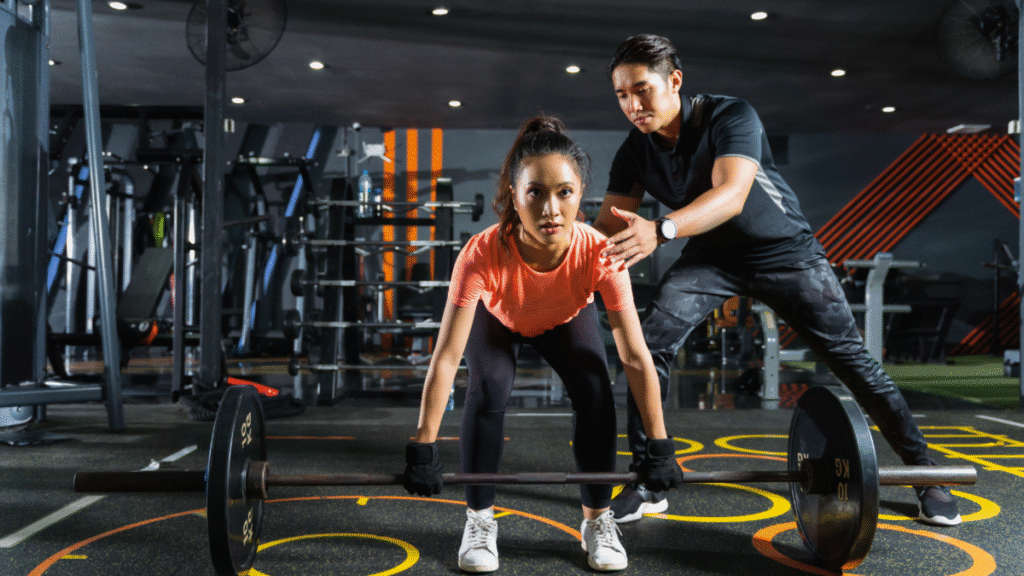
A certificate alone doesn’t guarantee a great coach — but without the right qualifications, even the most enthusiastic trainer can do more harm than good.
Proper personal trainer qualifications in Scotland ensure your coach understands the basics of human anatomy, safe movement patterns, and how to tailor a training plan to your needs and abilities.
It’s not just about pushing you harder — it’s about helping you move better, stay injury-free, and actually make progress.
Unfortunately, anyone can call themselves a personal trainer. That’s why checking credentials matters.
Unqualified or undertrained coaches often rely on generic templates, guesswork, or outdated methods. At best, you waste time and money. At worst, you risk setbacks, frustration, or injury.
Takeaway:
When it comes to your health and fitness, shortcuts can be costly. Choose a coach who’s not only passionate — but properly trained, insured, and committed to doing things right.
Minimum Qualifications Every PT in Scotland Should Have
There’s a difference between someone who enjoys fitness — and someone who’s qualified to help you improve yours.
In Scotland, a qualified personal trainer should meet these minimum standards:
Level 2 Certificate in Fitness Instructing
This covers basic gym instruction — it’s the starting point for working in the fitness industry, but not enough on its own to coach clients 1:1.
Level 3 Diploma in Personal Training
This is the recognised baseline to work as a personal trainer. It includes more in-depth knowledge of anatomy, programme design, and client assessment. If a PT doesn’t have this — they’re not legally qualified to train clients.
Accreditation and Regulation
Look for qualifications that are regulated by Ofqual, listed on the RQF (Regulated Qualifications Framework), and recognised by CIMSPA — the UK’s Chartered Institute for the Management of Sport and Physical Activity. Previously, REPs (Register of Exercise Professionals) also played this role.
Valid First Aid Certificate
Your trainer should know what to do in an emergency — especially if they’re working in a private or solo setting.
Public Liability Insurance
This protects you and the trainer in case of accident or injury. Any professional coach should carry insurance as standard.
“Qualifications won’t make you a great coach — but without them, you’re not even in the game.” — Bruce Millar
Takeaway:
It’s not rude to ask about qualifications — it’s smart. A coach who’s proud of their training and serious about their profession will be happy to show you the receipts.
Beyond the Basics: What Sets a Great Coach Apart
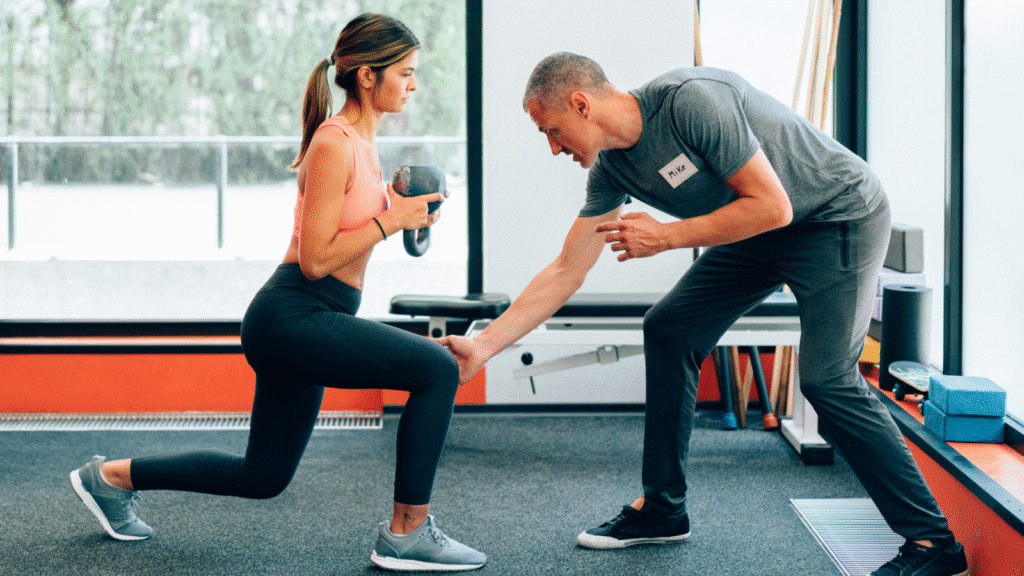
It’s one thing to be qualified. It’s another to be great.
A personal trainer who truly delivers value isn’t just resting on a certificate from ten years ago — they’re constantly learning, adapting, and improving.
Ongoing CPD (Continuing Professional Development)
The best coaches don’t stop learning after Level 3. Look for signs of ongoing education in areas like:
- Nutrition coaching (e.g. Precision Nutrition)
- Mobility or rehab training
- Strength and conditioning certifications
- Menopause, midlife, or injury-specific education
These extras show they’re investing in knowledge to better serve their clients — not just collecting badges.
Experience That Matches Your Goals
It’s not just about how many clients they’ve worked with — it’s whether they’ve helped people like you.
Ask:
- “Have you helped someone in their 40s+ regain strength after injury?”
- “Do you work with busy professionals who don’t have time for the gym?”
A great coach should be able to give real examples, not vague promises.
Coaching Style That Clicks
The best PTs:
- Adapt to your needs, rather than forcing a one-size-fits-all plan
- Communicate clearly and respectfully
- Listen as much as they teach
This is where the real magic happens — not just in sets and reps, but in how they support you between sessions.
“It’s not about how many certificates are on the wall — it’s how your coach uses what they know to make you better.”
Takeaway:
The right coach combines knowledge, experience, and a people-first approach. If they’re still passionate about learning — they’re more likely to help you grow too.
How to Check If a PT Is Legit
You wouldn’t hire a builder without checking their credentials — so why treat your body any differently?
Before you commit to a personal trainer in Scotland, make sure they’re not just confident — but credible.
Ask About Their Qualifications
It’s completely reasonable to say:
“Where did you train?” or “Are you listed with CIMSPA?”
A professional coach will gladly show you:
- Their Level 3 PT certificate
- CPD credentials (e.g. nutrition, rehab, mobility)
- Insurance details and a valid First Aid cert
For extra peace of mind, you can check the CIMSPA Member Directory to verify they’re recognised by the industry’s governing body.
Look at Reviews and Client Stories
Credibility isn’t just about qualifications — it’s about results.
Scan:
- Google reviews
- Testimonials on their website
- Client stories on social media or YouTube
What you’re looking for is consistency — a track record of helping people achieve results that matter to them.
Book a Call and Trust Your Gut
Sometimes, a quick conversation tells you more than any certificate.
Ask yourself:
- Did they ask about my goals and lifestyle?
- Did they listen — or just pitch a package?
- Did their approach sound realistic, not gimmicky?
“A great coach won’t just sell you something — they’ll help you figure out if you’re a good fit first.”
Takeaway:
You’re not being difficult — you’re being smart.
The right personal trainer won’t be put off by your questions. In fact, they’ll respect you more for doing your homework.
Conclusion
Summary:
When it comes to your health and progress, the personal trainer you choose matters.
Their qualifications aren’t just a formality — they’re the foundation of safe, structured, and effective coaching.
Final Encouragement:
A solid Level 3 qualification is the starting point.
But what sets a great coach apart is how they apply that knowledge — with experience, ongoing learning, and a genuine focus on you.
If you’re ready to invest time and energy into improving your fitness, do it with someone who’s done the work too.
Because your body, goals, and time are worth more than guesswork.
Key Takeaways
- A qualified personal trainer in Scotland should hold, at minimum, a Level 3 Personal Training diploma, public liability insurance, and first aid certification.
- The best coaches don’t stop learning — they invest in ongoing education, refine their approach, and adapt their coaching to suit your needs.
- Always ask to see credentials, check for CIMSPA or Ofqual recognition, and read reviews or testimonials before committing.
- Your PT should offer more than workouts — they should provide structure, support, and a proven process to help you succeed.
- Don’t settle for someone who just shouts reps. Choose a coach who listens, challenges, and supports your long-term progress.
Want to work with a coach who blends 20+ years of experience with a down-to-earth, evidence-based approach?
I don’t do gimmicks or cookie-cutter plans. I coach real people — with real lives — to move better, feel stronger, and build lasting results.
Or start with my free guide: Live Life Without Limits

FAQ: What Qualifications Should a Personal Trainer in Scotland Have?
What qualifications should a personal trainer in Scotland have?
A qualified personal trainer in Scotland should hold a Level 3 Diploma in Personal Training, be registered with CIMSPA, and carry valid public liability insurance. These are the minimum standards for working safely and professionally.
Is Level 3 Personal Trainer enough?
Level 3 is the industry minimum — it qualifies a trainer to work professionally. But great coaches go further, investing in ongoing education around nutrition, movement, recovery, and coaching skills.
How do I check if a personal trainer is qualified?
Ask to see their certificates and accreditations, check the CIMSPA register, and read Google or social reviews. Don’t be afraid to ask questions — a trustworthy PT will be happy to answer them.
Do personal trainers need insurance in the UK?
Yes. All personal trainers working in the UK should carry valid public liability insurance to protect both themselves and their clients. If they don’t — it’s a red flag.
What makes a good personal trainer?
A good PT blends qualifications, experience, and communication. They listen to your goals, create a plan that fits your life, and coach you with empathy, structure, and consistency.


